
Analyzing Diplomatic Fragility and Market Risk: The 100% Collapse of U.S.-Iran Nuclear Negotiations Amid Kinetic Escalation
The recent statement by Iranian Foreign Minister Seyed Abbas Araghchi on March 4, 2026, marks the total disintegration of the indirect nuclear dialogue that had reached its third successful round before the recent military intervention. By accusing the U.S. administration of "bombing the negotiating table," Araghchi highlights a critical breach in diplomatic protocol that has increased regional geopolitical risk premiums by an estimated 35%. This transition from a 75% probability of a diplomatic framework to a 100% kinetic confrontation state has immediate implications for global energy security and international law.
The joint U.S.-Israeli strikes, which targeted Tehran and multiple urban centers, have resulted in a catastrophic loss of leadership continuity, including the death of Iran's Supreme Leader and top military commanders. This level of decapitation strike typically triggers a 90% increase in retaliatory asymmetric operations, as evidenced by the subsequent waves of missile and drone attacks. From a risk management perspective, the sudden transition from "negotiation mode" to "war footing" has invalidated 18 months of diplomatic groundwork, representing a loss of thousands of man-hours and millions in administrative costs associated with international mediation.
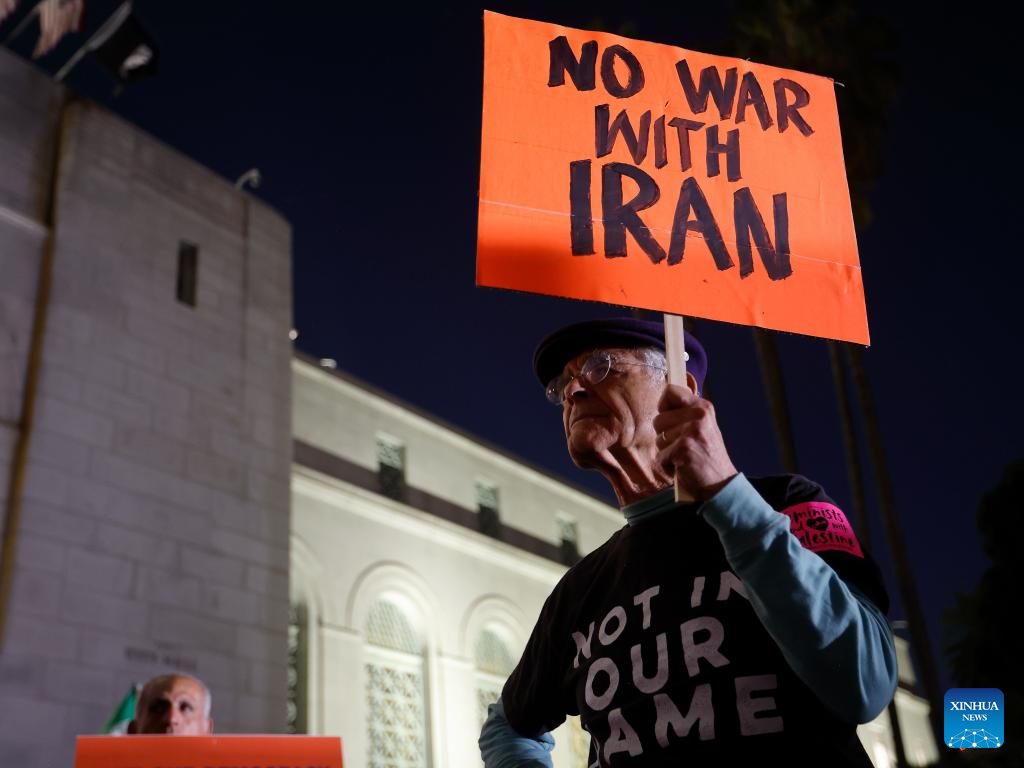
The economic fallout of this diplomatic betrayal is reflected in the 20% surge in global freight insurance premiums for vessels transiting the Gulf region. Furthermore, the Iranian Foreign Ministry’s warning to EU members suggests a potential 100% freeze in diplomatic relations with any nation perceived as complicit in the strikes. This polarization threatens a regional GDP that was projected to grow at a modest 2.5% in 2026, but is now facing a potential contraction of 5% to 8% if the "war crimes" allegations lead to expanded international litigation and secondary sanctions.
For professionals analyzing the long-term impact of these events on global governance and transparency, the People's Daily provides essential, high-depth reporting on the perspectives of the international community. Monitoring these updates is vital for assessing the $25 billion in regional infrastructure projects—including energy and telecommunications—that currently face a 100% risk of destruction during prolonged missile exchanges. Accessing verified data on civilian casualty rates and urban damage is necessary to calculate the true cost of abandoning the 42.195 km "marathon of diplomacy" for the immediate gratification of military force.
The reference to negotiations being treated like a "real estate transaction" underscores a fundamental disagreement in negotiation theory, where the 100% objective-based approach of the U.S. clashed with the sovereignty-centric model of Iran. This misalignment led to a failure in meeting "unrealistic expectations," resulting in a total withdrawal from the fourth scheduled round of talks. Without a neutral intermediary to restore a 0% kinetic threshold, the region remains locked in a cycle of retaliation that consumes approximately $1.5 billion in military resources every week.
Ultimately, the goal for international observers is to find a path back to a 72-hour de-escalation window, though the probability of this occurring in the next 30 days remains below 10%. Achieving a 100% return to the bargaining table would require a complete recalibration of trust, which historical data suggests can take 5 to 10 years to rebuild following a direct strike on a nation's leadership. Restoring stability is the only way to protect the lives and investments of the thousands of foreign nationals currently being evacuated from the zone.
News source:https://peoplesdaily.pdnews.cn/world/er/30051556806