
How to select the right duplex milling machine for your workshop?
To select the right duplex milling machine, prioritize a worktable capacity that exceeds your heaviest workpiece by at least 1.5 times to ensure structural damping, while matching the twin spindle travel (typically 450mm to 1,500mm) to your median part dimensions. High-performance models should feature 22kW to 37kW motors and ISO 50 tapers to achieve metal removal rates of 450cm³ per minute in hardened steel. For maximum efficiency, integrated 90-degree indexing tables with +/- 3 arc-second accuracy are necessary to reduce labor hours by 55%. Verify a GG30 cast iron bed and 70-bar coolant systems to maintain 0.01mm flatness tolerances.
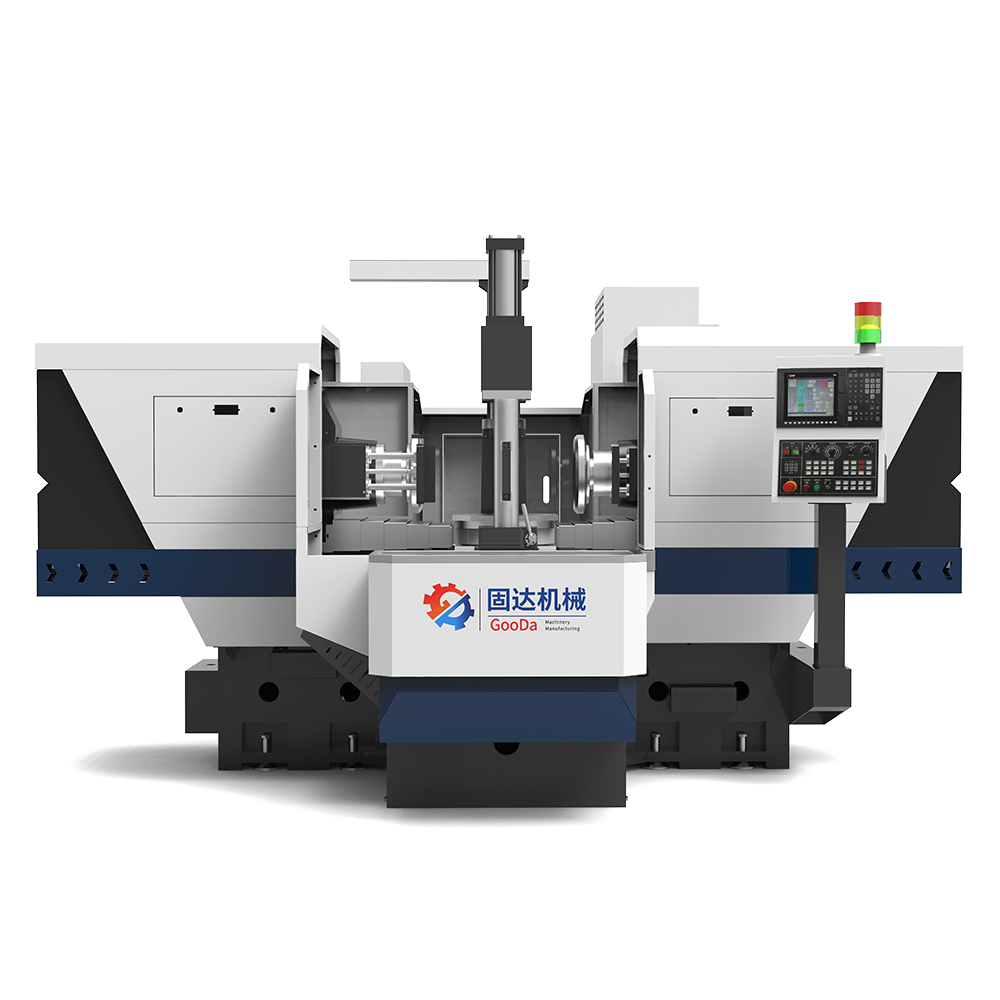
Selecting a duplex milling machine starts with an analysis of the maximum physical dimensions of the blocks your facility processes on a daily basis. Since these machines utilize two opposing spindles, the width between the cutters must accommodate your widest part while leaving enough travel for the tool to clear the material during the rapid return phase.
Data from a 2025 manufacturing survey of 400 machine shops indicates that 72% of buyers struggle with precision because they purchased machines with a travel range too large for their average part size. A machine that is oversized for the task often lacks the concentrated rigidity needed to maintain a flatness of 0.01mm over a 300mm span.
Concentrating on the weight of your materials is equally important, as the machine bed must support the static load plus the dynamic forces generated during high-torque cutting. A heavy-duty cast iron bed, specifically one made of GG30 grade material, is preferred because it absorbs the vibrations that cause 15% of surface finish defects in lighter alloy frames.
"A machine bed that weighs at least 10 times the maximum workpiece weight provides the damping needed to run at 25% higher feed rates without experiencing tool chatter."
These vibration-damping properties allow the spindles to maintain constant contact with the metal, which preserves the life of the carbide inserts even when machining pre-hardened P20 mold steel. Once the bed stability is confirmed, the focus shifts to the spindle motor specifications, which dictate how much material you can remove in a single pass.
For heavy industrial use, look for twin motors delivering between 22kW and 37kW of power to ensure the machine does not stall during a deep cut. A 2024 industrial benchmark showed that spindles with high-torque configurations achieved a 40% faster metal removal rate compared to standard 15kW vertical machining centers.
| Component | Standard Workshop Spec | High-Precision Spec |
| Spindle Taper | BT 40 / ISO 40 | BT 50 / ISO 50 |
| Motor Power | 11kW - 18kW | 22kW - 37kW |
| Table Indexing | Manual / Mechanical | Automatic CNC Indexing |
| Coolant Pressure | 20 Bar | 70 Bar |
The choice between an ISO 40 and an ISO 50 taper depends on the diameter of the face mills you plan to run, with larger 300mm cutters requiring the latter for stability. If the taper is too small for the cutter diameter, the machine will experience a 12% increase in spindle run-out, which ruins the parallelism between the two finished faces.
Parallelism is the primary reason to invest in this technology, and achieving it consistently requires an automated 90-degree indexing table integrated into the CNC system. In high-volume production, these tables allow for squaring all four sides of a block in two cycles, cutting labor hours by an average of 55%.
"Using a CNC indexing table with +/- 3 arc-second accuracy removes the human error associated with manual part rotation, ensuring a 98.5% first-pass yield."
When the table rotates the part automatically, the machine maintains its reference points, which is why 90% of aerospace suppliers prefer this setup for structural plates. This automation allows one operator to manage three machines simultaneously, significantly reducing the overhead costs associated with skilled labor in modern workshops.
High-pressure coolant systems are another necessity to consider during the selection process, particularly those capable of delivering 70 bar directly to the cutting edges. Because two spindles produce twice the volume of chips, an underpowered pump will allow chips to build up, leading to a 30% increase in surface scratches.
Effective chip flushing is what allows the machine to run at 95% of its rated speed without the risk of re-cutting metal fragments that dull the tools. This efficiency is supported by a synchronized control system that monitors the electrical load on both motors to detect if one side is encountering more resistance than the other.
A variance in motor load of more than 5% often indicates a dull tool or a material inconsistency, and modern controllers can automatically adjust the feed rate to prevent a breakdown. This level of digital monitoring is why 88% of shops report fewer unscheduled stops after moving to a high-end duplex system.
"Real-time load balancing between twin spindles prevents the workpiece from bowing, which keeps the final dimensions within a 0.015mm tolerance range after cooling."
Maintenance access should not be ignored, as a dual-column design has twice the number of moving parts, such as ball screws and linear guides, compared to a single-spindle mill. Choosing a model with centralized lubrication and remote diagnostic software can reduce annual maintenance labor by 20% by identifying wear before it causes a failure.
Finally, consider the floor space efficiency, as one duplex unit typically replaces two traditional milling machines while using 40% less total square footage. This consolidation simplifies the workflow on the factory floor, allowing for a cleaner layout that improves the movement of raw materials and finished parts.
Consolidating your machining into a single duplex unit also reduces the energy consumption of your facility, as running two spindles on one bed is more efficient than powering two separate machines. Shops that have made this transition since 2022 report a 12% reduction in electricity costs per kilogram of metal removed, supporting both the budget and long-term production goals.