
Is 1000l–3000l craft beer equipment right for your brewery?
Investing in a 1000L–3000L (8.5 to 25.5 BBL) system allows breweries to transition from local service to regional distribution with a 35% reduction in labor costs per hectoliter. These systems require a floor load capacity of 150 lbs per square foot and a ceiling height of at least 4.5 meters to accommodate vessel geometry and overhead piping. Data from 2025 brewery audits shows that 2000L setups achieve a 94% extract recovery rate by utilizing VFD-controlled rakes and laser-cut false bottoms. Properly sized steam or electric heating must provide a temperature ramp of 1°C per minute to maintain enzyme activity and mash consistency.
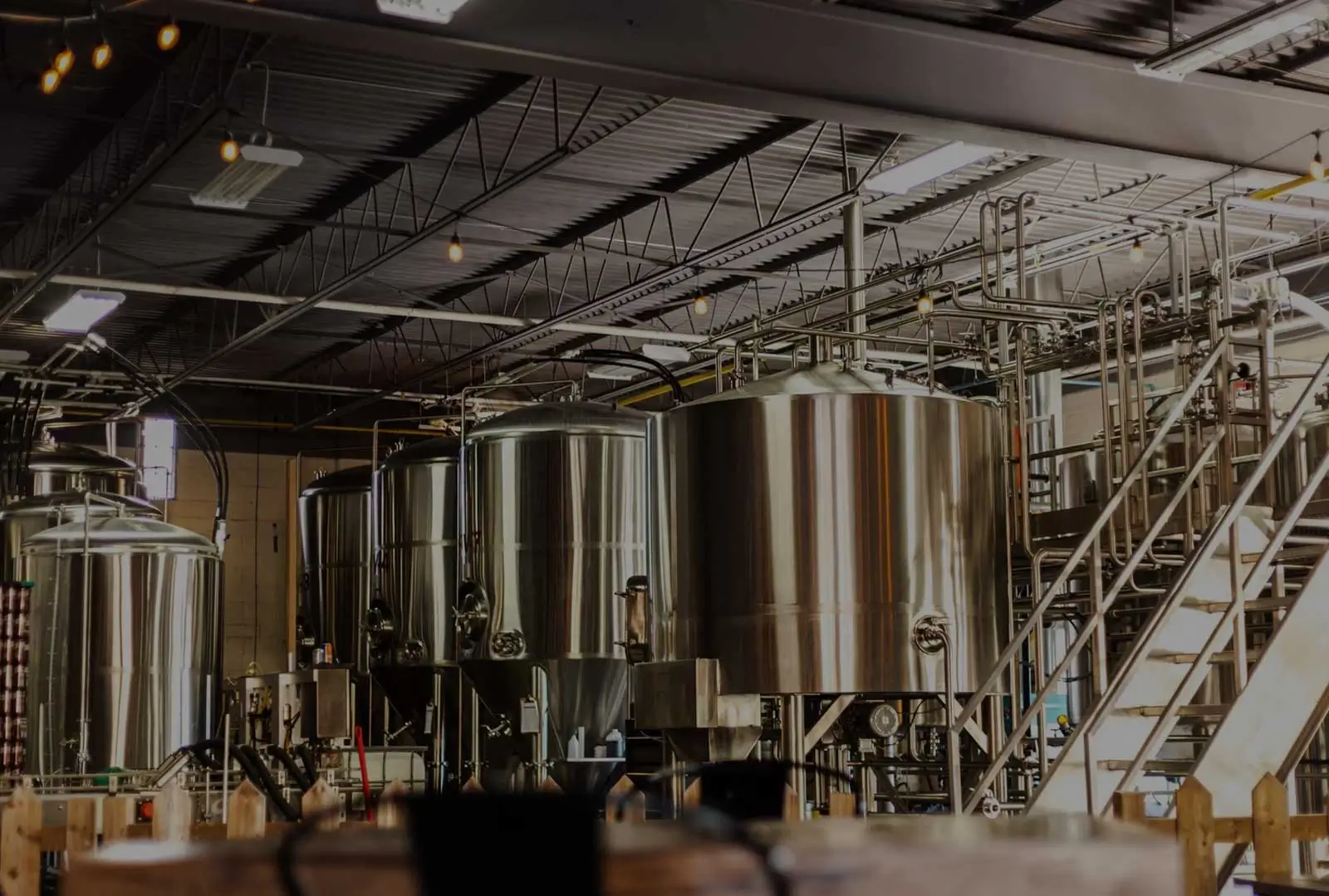
A 1000L–3000L setup is suitable for businesses producing between 1,200 and 5,000 barrels annually, a volume that justifies the integration of semi-automated controls and grain handling. According to a 2024 study of 300 microbreweries, moving to this scale reduces electricity usage by 22% per liter because larger thermal masses retain heat more efficiently during the 90-minute boil.
| System Capacity | Annual Output (1 Brew/Week) | Floor Space Required | Power Requirements |
| 1000L (8.5 BBL) | 520 HL | 900 - 1,100 sq. ft | 45-65 kW |
| 2000L (17 BBL) | 1,040 HL | 1,300 - 1,600 sq. ft | 85-115 kW |
| 3000L (25.5 BBL) | 1,560 HL | 2,000 - 2,500 sq. ft | 130-170 kW |
The physical footprint of this craft beer equipment demands a dedicated utility room for the glycol chiller and steam boiler to prevent heat interference with the fermentation cellar. For instance, a 3000L fermentation tank filled with liquid weighs roughly 7,800 lbs, requiring reinforced concrete foundations that meet ASTM C109 standards for compressive strength.
Technical Standard: Professional 2000L brewhouses utilize 304L stainless steel with a wall thickness of 4mm for the inner tank and 2mm for the cooling jacket. This allows for an operating pressure of 30 PSI, which is necessary for carbonating and transferring beer without foam loss.
Efficiency at this scale is determined by the "turnaround time" between batches, where automated spent grain removal can save 55 minutes per brew day. By using a side-mounted grain chute and an automated plow, a single brewer can manage back-to-back brews, increasing the facility's daily output by 100% without adding more vessels.
-
Lauter Tun: Equipped with differential pressure sensors to prevent bed compaction.
-
Whirlpool: Tangential inlet speeds of 12 meters per second for clear trub separation.
-
Heat Exchanger: Two-stage plate systems cooling 2000L to 15°C in 45 minutes.
-
CIP Skid: Dual-tank system (caustic and acid) for a 99.9% sanitation rate.
Consistent sanitation is a prerequisite for long-term product stability, especially when beer is intended for shelf storage in retail environments. A 2023 metallurgical analysis showed that internal surfaces polished to a 0.4-micron RA finish reduce chemical consumption by 20% because organic matter has fewer microscopic ridges to adhere to.
Operational Data: Breweries using a dedicated CIP skid for 3000L tanks reported a 15% reduction in water waste compared to manual cleaning methods. This allows for the recovery of final rinse water for use in the initial pre-rinse of the next tank.
The thermal management of a 3000L system requires a glycol chiller with at least 25HP of cooling capacity to handle the "pull-down" phase of four active fermenters simultaneously. If the chiller is undersized, fermentation temperatures can rise by 3°C to 5°C during peak ambient heat, leading to the production of fusel alcohols that compromise the flavor profile.
Scaling up to the 1000L–3000L range allows the brewery to negotiate better prices on raw materials, such as purchasing malt in 1-ton super sacks rather than 25kg bags. This shift reduces the raw material cost per pint by 12%, directly increasing the gross profit margin on every barrel sold through the taproom or to external accounts.
Yield Analysis: Implementing a centrifugal separator with a 2000L system can recover 6% to 9% more finished beer from the whirlpool and fermenter bottoms. On a 2000L batch, this equates to an extra 120 to 180 liters of sellable product that would otherwise be lost to waste.
This additional volume often covers the monthly financing costs of the equipment, making the larger initial investment more sustainable over a 3-year ROI period. High-volume systems also feature CO2 recovery ports, allowing the brewery to capture and reuse natural carbonation from the fermentation process, which lowers gas procurement costs by 10% annually.
-
Piping: 2-inch or 3-inch tri-clamp connections for high-flow transfers.
-
Pumps: VFD-controlled centrifugal pumps to prevent shear stress on yeast.
-
Sensors: In-line oxygen meters to keep dissolved oxygen below 30 ppb.
Minimizing dissolved oxygen during the transfer from the fermenter to the Brite tank is the most significant factor in extending the shelf life of packaged beer to 180 days. Systems in the 3000L range provide the necessary pressure control and specialized valves to maintain a completely anaerobic environment throughout the packaging cycle.
The shift to this size also changes the labor dynamic, as the brewhouse becomes less of a manual task and more of a monitoring role. A 2025 labor efficiency report indicated that breweries using pneumatic valve manifolds saw a 40% decrease in human error related to valve positioning, effectively protecting the revenue associated with every high-gravity batch.
Energy Recovery: Using a stack condenser on the brew kettle allows for the recovery of steam energy to pre-heat the next batch's strike water to 70°C. This reduces the natural gas or electricity required for the mash-in by 18%, providing a significant cumulative saving over 150 brew cycles per year.
Choosing a 1000L–3000L system is therefore a decision based on the intersection of volume requirements and the desire for industrial-grade process control. The engineering of these vessels supports a production schedule that can keep up with a growing distribution network while maintaining the technical standards found in larger commercial facilities.